

 See My Latest Article on HelloNation
How Have Funeral Traditions Evolved Globally?
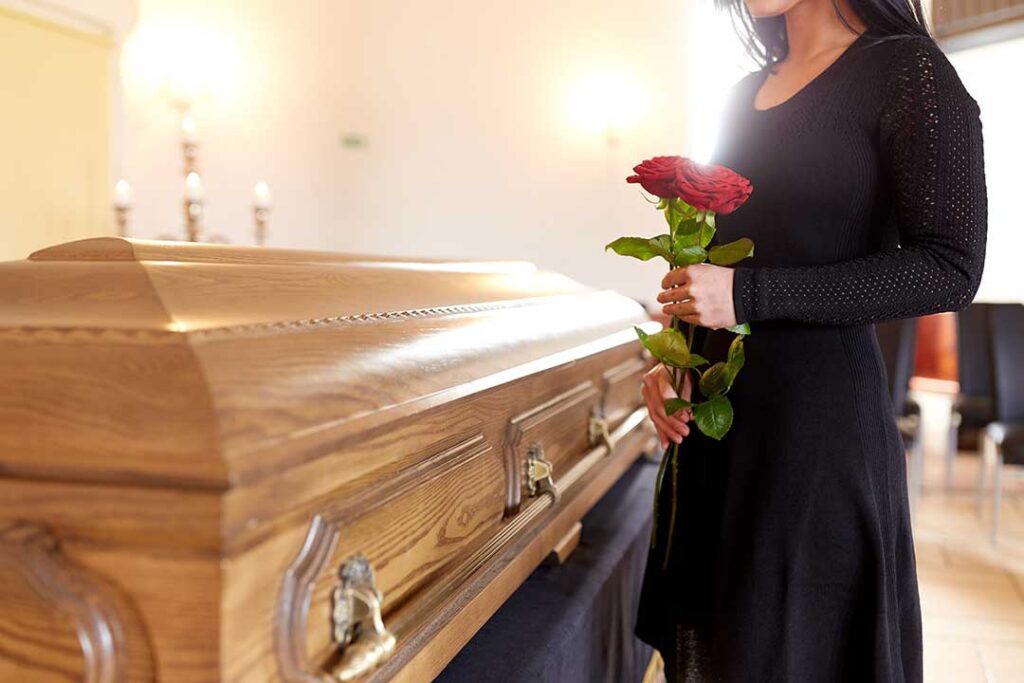
Funeral traditions have developed in diverse ways across different cultures, shaped by religious beliefs, climate, geography, and community needs. Throughout history, these customs have served to honor loved ones, process grief, and reinforce community ties. While local families in Midland, TX may be most familiar with burial and memorial services common in the United States, funeral practices worldwide reflect a wide range of spiritual, environmental, and historical influences.
Why Do Different Cultures Have Unique Funeral Customs?
Each culture adapts its farewells for the dead based on values, available resources, and established beliefs about life after death. For example, desert environments have encouraged burial for practical reasons, while mountainous regions often turned to cremation for similar pragmatic considerations. Religious teachings play a central role in shaping how communities address death, influencing the structure, length, and rituals associated with funerals.
For residents of Midland living in a climate with hot summers and mild winters, burial practices often consider temperature management and soil conditions. In contrast, colder regions or those with different soil compositions may develop entirely separate customs.
What Are Some Historic Funeral Practices in Different Parts of the World?
Many global traditions appear unique at first glance but share underlying themes—showing respect, ensuring peaceful rest, and supporting the living through mourning.
- Ancient Egypt: Mummification and elaborate tombs like pyramids reflected beliefs in an afterlife and the importance of preserving the body.
- Tibetan Sky Burial: In high-altitude areas, bodies are left exposed for scavenging birds, symbolizing the return of the soul to nature.
- Hindu Cremation: In India, cremation is practiced along rivers, with ashes released into water as a spiritual ritual.
- Japanese Buddhist Funerals: Cremation followed by ashes placed in family graves; ceremonies emphasize remembrance and respect for ancestors.
- Victorian England: Mourning periods could last years, with strict social codes for dress and behavior.
Locally, modern customs in Midland reflect broader American traditions, including burial and cremation, but may draw inspiration from families’ cultural backgrounds.
How Have Religious Beliefs Shaped Funeral Traditions?
Religious perspectives profoundly influence customs by providing explanations about what happens after death. This shapes practical steps (such as burial or cremation), ceremony details, and mourning practices.
- Christian traditions, prevalent in much of the United States, often involve services at a church or chapel, graveside gatherings, and ongoing remembrance through grave visits.
- Jewish funerals tend toward prompt burial, simple wooden caskets, and periods of reflection known as shiva.
- Muslim practices emphasize swift burial, shrouding of the body, specific prayers, and oriented graves.
In the Midland area, the diversity of faith backgrounds means local families may incorporate numerous traditions, sometimes blending elements to reflect both heritage and personal values.
What Role Do Nature and Environment Play in Funeral Choices?
Environmental factors often shape memorial practices out of necessity as much as belief. For example, in hotter climates, burial must be carried out rapidly to respect health and tradition. Where resources like wood or stone are scarce, different solutions arise—such as above-ground tombs or rock-cut graves.
Families in Midland may recognize how local soil and weather influence cemetery design and burial logistics compared to other climates, which may use elevated crypts or unique preservation techniques.
How Do Funerals Support Community and Family?
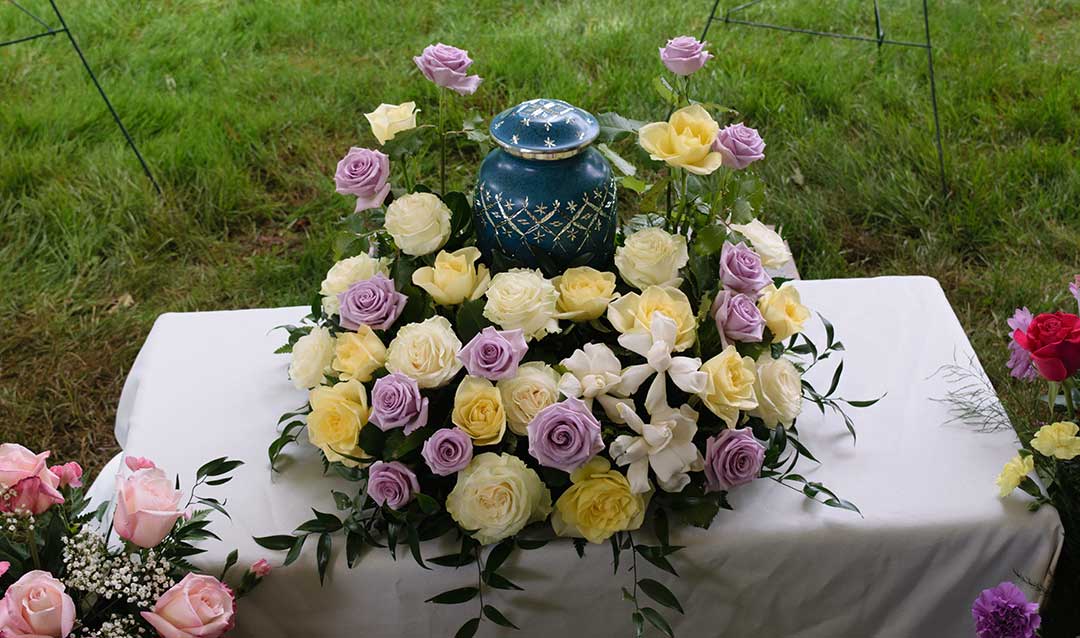
No matter the specifics, funeral traditions commonly aim to:
- Provide closure for those grieving by creating a space to remember and honor the deceased
- Reinforce social bonds, bringing extended family and community members together
- Allow cultural identity to be maintained across generations
Gatherings may include meals, music, prayers, or storytelling, all adapted according to what best serves the needs of mourners and honors the legacy of those who have passed.
How Are New Funeral Traditions Emerging?
Changes in technology, attitudes toward the environment, and increased cultural interchange are all influencing contemporary funeral practices. Many communities worldwide are exploring:
- Green burials, where biodegradable materials are used and natural landscapes preserved
- Direct cremation, which reduces cost and environmental impact
- Memorial technologies, such as online services and digital remembrance pages
Local families in Midland increasingly consider these options, especially as conversations about sustainability, cost, and personalized memorials become more common.
What Misconceptions Do People Have About Funeral Traditions Globally?
Some believe that funeral traditions are unchanging or universal, but the reality is that customs constantly adapt as societies change. Another common misconception is that one form of service is "better" or more respectful than another. In truth, the most meaningful traditions are those that fit the beliefs, climate, and practical circumstances of each community.