

 See My Latest Article on HelloNation
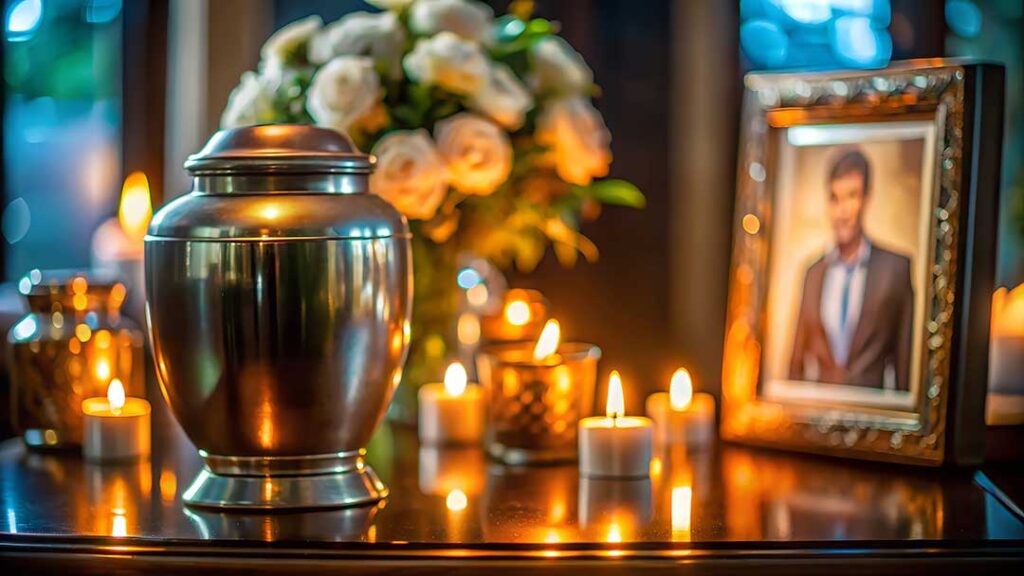
Choosing between burial and cremation is both a practical and personal decision. The right option depends on family wishes, religious or cultural traditions, available funds, environmental preferences, and how loved ones want to remember the person who died. There is no universally correct choice.
What is the basic difference between burial and cremation?
Burial places the body in a cemetery grave, usually in a casket or other approved container. Cremation uses controlled heat to reduce the body to bone fragments, which are then processed into cremated remains.
Burial generally creates a permanent physical location for visits, memorials, and future generations. Cremation provides more flexibility in timing and in deciding where and how the remains will be kept or placed.
Both options can include a funeral, viewing, visitation, religious service, graveside ceremony, memorial gathering, or private family observance. Choosing cremation does not mean giving up a meaningful ceremony, and choosing burial does not require a large formal funeral.
What factors should a family consider first?
The most useful starting point is the deceased person’s own wishes. Written instructions, conversations with relatives, religious guidance, or a prepaid arrangement may help clarify the decision.
If preferences are unknown, families can consider:
- Whether a cemetery location feels important
- Religious, cultural, or military traditions
- Whether family members want a viewing before final disposition
- The cost of land, a casket, an urn, a vault, opening and closing fees, and ceremonies
- Whether relatives live nearby or may move in the future
- How comfortable the family is making decisions about scattering or storing remains
- Whether there are time-sensitive circumstances, such as travel, weather, or an ongoing death investigation
A decision made during grief can feel overwhelming. Breaking the process into separate questions—ceremony, final disposition, location, timing, and budget—can make it easier to discuss.
Is burial usually more expensive than cremation?
Burial often costs more because it may involve cemetery property, a casket, an outer burial container, opening and closing the grave, embalming or preparation, and additional cemetery fees. Cremation can reduce some of those expenses, particularly when the family chooses direct cremation without a viewing or formal ceremony.
However, cremation is not automatically inexpensive. Costs may include transportation, required authorizations, an urn, a memorial service, a niche or columbarium space, an urn burial, or an alternative final placement. A family can also spend more on cremation if it chooses extensive preparation, a viewing, a large service, or permanent cemetery placement.
The most reliable comparison is an itemized list of selected goods and services. Families do not need to compare only “burial” with “cremation.” They can compare specific arrangements, such as:
- Traditional burial with a viewing and funeral service
- Burial without embalming or public viewing
- Direct cremation followed by a private memorial
- Cremation followed by urn burial
- Cremation with a formal ceremony and a permanent memorial location
Federal consumer protections require funeral providers to give clear price information and allow consumers to select many goods and services separately, subject to legal and basic service requirements.
Does cremation prevent a funeral or viewing?
No. A funeral or memorial service can take place before or after cremation. Some families hold a viewing with the body present before cremation. Others plan a gathering with the urn, photographs, personal belongings, music, or religious symbols.
Burial also does not require a viewing. A family may choose a private graveside service, a small committal, or a later memorial ceremony.

This flexibility can be useful for local households managing work schedules, extended-family travel, or seasonal conditions. A service does not have to occur immediately after death, although transportation, authorization, refrigeration, cemetery scheduling, and other practical requirements may affect timing.
What should Midland, TX residents know about local conditions?
Midland has a dry climate, intense summer heat, wind, and periods when outdoor conditions can make gatherings uncomfortable. These factors may influence the timing and location of a graveside ceremony, especially for older relatives or guests with health concerns.
Families planning an outdoor burial service may want to think about shade, seating, accessibility, transportation across cemetery grounds, and the time of day. Cremation can provide more flexibility when relatives need additional time to travel or when an outdoor gathering is better scheduled for cooler conditions.
Cemetery availability, maintenance practices, soil conditions, and rules vary by location. Some cemeteries may require an outer burial container or have restrictions concerning decorations, monuments, urn placement, or planting. Those requirements should be reviewed before purchasing cemetery property or selecting a final placement.
What are the legal and authorization issues?
Texas law includes requirements concerning the transportation, identification, burial, cremation, and disinterment of human remains. Cremation also requires authorization and may be subject to a waiting period unless an exception applies.
Families should ensure that the person legally authorized to make decisions is identified before final arrangements are approved. If the death is under investigation, the medical examiner or justice of the peace may need to complete required procedures before burial or cremation can occur.
Written instructions can reduce uncertainty. A person may document preferences for burial or cremation in certain legally recognized forms, but family members should know where those instructions are kept. A will may not be reviewed immediately after death, so separate written directions and communication with trusted relatives can be useful.
What happens to cremated remains?
After cremation, the remaining bone fragments are processed into a granular material commonly called cremated remains. Families may keep the remains in an urn, place them in a cemetery niche, bury them in a cemetery, divide them among relatives where permitted, or choose another lawful final disposition.
Before selecting an option, families should consider whether all relatives understand the plan. Scattering can be meaningful, but it may make future relocation or shared access more difficult. Keeping an urn at home may feel right initially, yet families should also consider what will happen if the household moves, the home is sold, or responsibility passes to another generation.
A permanent cemetery location can provide continuity, even when cremation is chosen. It may also give family members a place to visit without requiring the remains to remain in a private residence.
Which choice is better for the environment?
Neither option is automatically environmentally superior in every situation. Burial uses land and may involve a casket, concrete or other burial container, maintenance, and transportation. Cremation avoids a conventional grave but uses fuel and produces emissions.
The environmental impact depends on the entire arrangement, including transportation, materials, cemetery maintenance, memorial construction, and the final placement of remains. Families who have environmental concerns can ask about simpler containers, smaller ceremonies, locally available materials, and permanent memorial choices that require limited maintenance.
How can families make the decision less stressful?
Start by identifying the deceased person’s wishes, then separate emotional preferences from assumptions about what is legally required. Ask for an itemized explanation of each arrangement and clarify which charges are mandatory, optional, cemetery-related, or based on personal preference.
It is also reasonable to pause before selecting expensive merchandise. A meaningful farewell can be created through shared stories, photographs, prayer, music, food, letters, or a gathering in a familiar setting. The final disposition and the ceremony are related decisions, but they do not have to be identical.
For many families, the clearest choice is the one that respects the person who died, gives surviving relatives a manageable way to grieve, and fits the family’s practical circumstances without creating unnecessary financial or emotional strain.