

 See My Latest Article on HelloNation
What Is Cremation and Why Do Some People in Midland Choose It?
Cremation is a method of final disposition that uses intense heat and flame to reduce a person's body to bone fragments, which are then processed into a fine, sand-like consistency known as cremated remains or ashes. In Midland, some families choose cremation for its simplicity, flexibility, and, sometimes, for cultural or personal reasons. For area residents, it can provide options regarding memorial timing, transportation, and storage of remains that may fit different family traditions and needs.
How Does the Cremation Process Work?
In simple terms, cremation involves placing the deceased in a cremation chamber where high temperatures (typically between 1,400 and 2,000 degrees Fahrenheit) break down the body. The remaining bone fragments are cooled, gathered, and mechanically processed to create a consistent texture.
The main steps are:
- Verification of identity and required paperwork
- Placement of the body in a combustible container, such as a simple casket or alternative container
- Transfer into the cremation chamber, where the body and container are exposed to heat
- Collection, cooling, and further processing of remaining fragments
Most facilities follow a carefully documented process to ensure remains are handled with dignity and never mixed with others.
What Paperwork and Permits Are Needed for Cremation in Midland?
Before cremation can occur, families need to complete specific paperwork in accordance with Texas law. This typically includes:
- A signed authorization from the legal next of kin or person responsible for arrangements
- A cremation permit issued by the local medical examiner or justice of the peace
- Completion of the death certificate
These steps are required to confirm legal compliance, establish identity, and give permission for the procedure.
Can Families Still Have a Funeral or Viewing With Cremation?
Yes, having a memorial or viewing before cremation is possible and increasingly common among local families. Options include:
- A private or public visitation with the body present, using a special cremation casket
- A memorial service with or without an urn present after cremation
- Outdoor or home gatherings with cremated remains
Some families in Midland opt for traditional funeral traditions first, followed by cremation, while others choose to hold commemorative events at a later date, offering more schedule flexibility for traveling relatives.
What Happens to Cremated Remains Afterward?
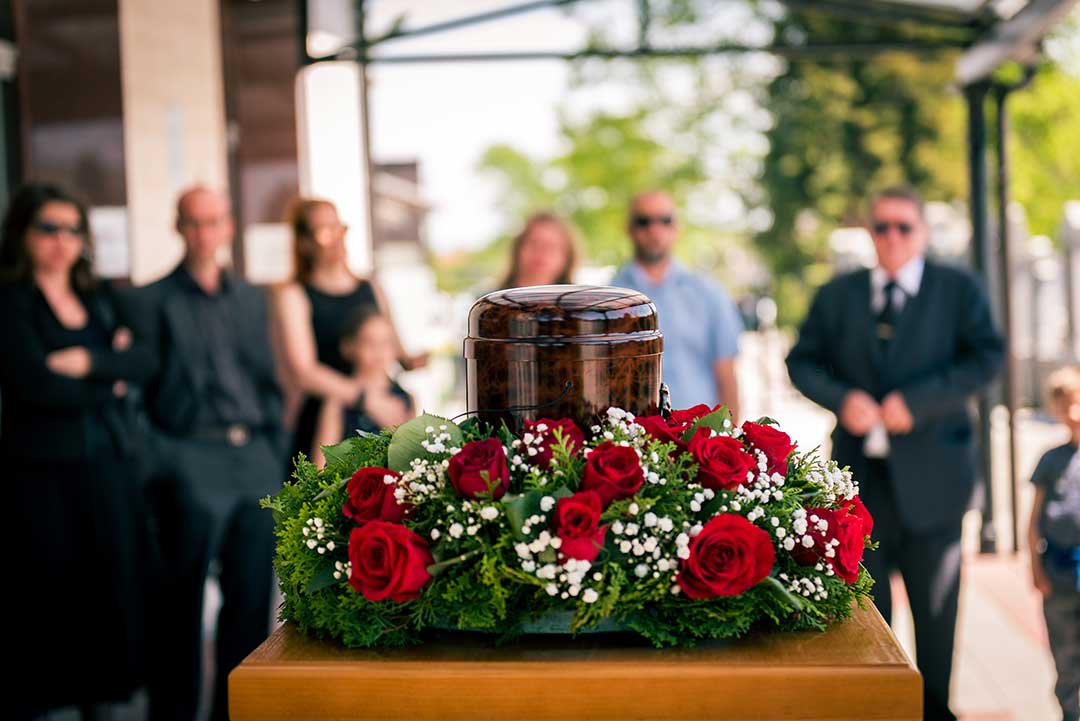
Once the remains are processed, they are returned in a durable container. Families in the community often choose:
- Placement in an urn kept at home or within a columbarium niche
- Burial of the urn in a cemetery plot or memorial garden
- Scattering of remains in a meaningful location, subject to Texas law and local regulations
Families considering scattering should be aware of practical factors such as weather conditions, wind, and land ownership.
Are There Legal or Environmental Considerations to Know?
Texas law regulates both the process of cremation and the handling of remains. Crematories in Midland must comply with state environmental controls regarding emissions and proper operation. Scattering ashes on private property requires the owner’s consent, and public lands have their own sets of regulations.
Environmentally, many area residents choose cremation as an alternative to traditional burial. Modern cremation devices are designed to minimize emissions, but the procedure does have a carbon footprint. Some families explore eco-friendly urns or biodegradable containers for burial or scattering.
What Myths or Misunderstandings Do People Have About Cremation?
Several common misconceptions persist:
- Cremation does not mean there can be no ceremony or sense of closure—many traditions can be upheld
- The process is strictly regulated to ensure remains are never mixed
- Ashes do not contain biological tissue; only processed bone fragments remain
- Remains are usually ready for return within a few days, but timing can vary based on paperwork and facility schedules
What Should Families in Midland Think About Before Choosing Cremation?
Choosing between cremation and other forms of disposition is personal—often influenced by spiritual, financial, or family considerations. Area households sometimes weigh:
- Wishes of the deceased, if previously expressed
- Cultural or religious traditions
- The desire for more flexible memorial planning
- Ease of transporting remains for those with loved ones spread across multiple states
Discussing these factors with family can help avoid conflict and bring loved ones peace of mind.