

 See My Latest Article on HelloNation
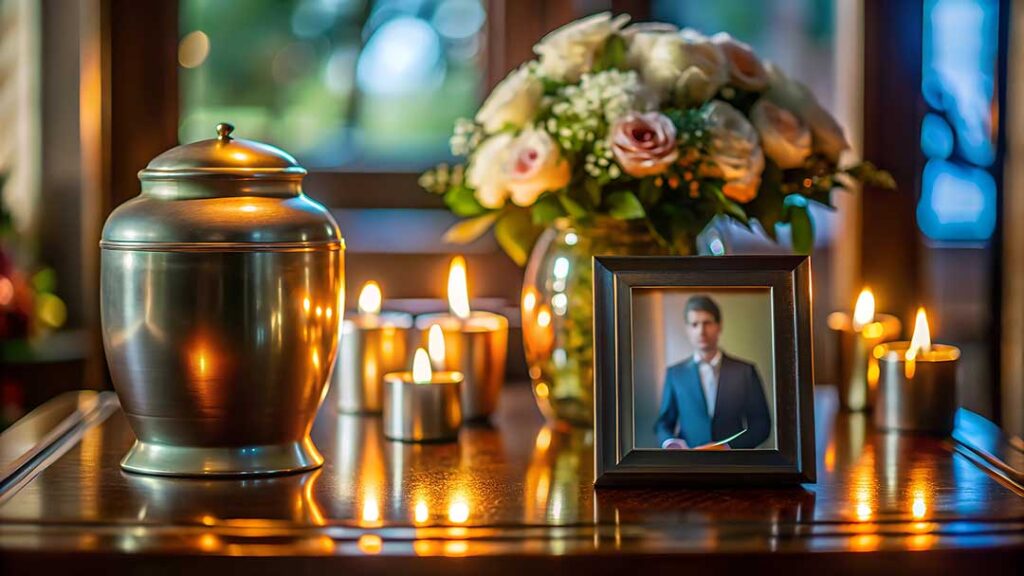
Why are flowers used at funerals?
Flowers are used at funerals to express sympathy, honor a life, and provide visible support when words are difficult to find. They may also represent beauty, remembrance, renewal, faith, or the natural cycle of life.
Floral tributes can serve several purposes at once. A wreath may recognize the dignity of the person who died. A casket spray may visually honor the person during a visitation or ceremony. A small bouquet may offer comfort to a grieving family. Flowers placed at a graveside can mark a final farewell.
Their meaning is not fixed. The significance of a particular flower depends on family traditions, religious beliefs, cultural background, personal preference, and the relationship between the person offering it and the deceased.
What do common funeral flowers symbolize?
Flower meanings are often used as a guide, not a strict rule. Families may select flowers because they were favorites, matched a loved one’s personality, or reminded people of a garden, wedding, holiday, or meaningful place.
Common choices include:
- Lilies: Often associated with peace, restored innocence, and the soul. White lilies are frequently used in traditional funeral arrangements.
- Roses: Red roses may express deep love, while white roses can suggest reverence, purity, or remembrance. Pink roses are sometimes chosen to convey appreciation or gentleness.
- Carnations: These are long-lasting flowers available in many colors. Red may express affection, white may suggest remembrance, and pink is sometimes connected with lasting love.
- Chrysanthemums: In some cultures, chrysanthemums are closely associated with mourning and memorial services. In other settings, they may be viewed simply as hardy, seasonal flowers.
- Orchids: Orchids can symbolize enduring love, respect, and strength. Their appearance may also suit a person remembered for elegance or individuality.
- Sunflowers: Their bright appearance may reflect warmth, optimism, or a person known for energy and kindness. They can be appropriate when a family wants a less formal tribute.
- Daisies and wildflowers: These may suggest simplicity, innocence, or a connection to nature.
Color can influence the feeling of an arrangement, but personal meaning matters more than a traditional flower dictionary. A favorite blue flower, for example, may say more about a person’s life than a flower selected only for its customary symbolism.
Is it appropriate to send flowers to a funeral?
In many cases, sending flowers is appropriate, but it is not the only respectful choice. Some families welcome floral tributes, while others request donations, plants, written memories, or no gifts because of religious or personal preferences.
Before sending flowers, check the obituary, funeral notice, or family announcement for instructions. A request such as “in lieu of flowers” generally means the family prefers another form of remembrance. It does not necessarily mean that flowers would be offensive, but the stated preference should be honored.
Flowers may be sent to a funeral home, place of worship, cemetery, or private residence depending on the arrangements. Timing also matters. A tribute delivered before the service may be displayed during visitation, while flowers sent later may provide continuing comfort at home.
For a close family member, a personal note can be as meaningful as the arrangement itself. The message does not need to be elaborate. A brief expression of sympathy, a favorite memory, or a statement that the family is being remembered can be enough.
Should flowers be sent for a cremation service?
Flowers can be appropriate for cremation services, including memorial gatherings held before or after cremation. They may be placed near a framed photograph, urn, memory table, or ceremonial space.
Because cremation arrangements differ, the family’s instructions are especially useful. Some families prefer a simple gathering with a few flowers, while others choose a larger display similar to a traditional funeral. Flowers may also be used during a scattering ceremony or later placed at a cemetery, memorial garden, or private location where permitted.
A floral tribute is not required for cremation. A handwritten letter, memory book, plant, or contribution to a cause connected with the deceased may be equally suitable if the family has indicated that preference.
What should Midland residents consider in the local climate?
The climate in Midland can affect how long flowers remain fresh, especially during warm months. Heat, dry air, direct sunlight, and wind can quickly shorten the life of arrangements placed outdoors.
For a graveside service or outdoor memorial:
- Choose flowers known to tolerate warm conditions when the arrangement will remain outside.
- Keep arrangements shaded until they are needed.
- Avoid leaving flowers in a parked vehicle for extended periods.
- Use water-filled containers for cut flowers when possible.
- Expect delicate flowers to wilt sooner in direct sun or high heat.
- Follow cemetery rules about containers, artificial flowers, and how long tributes may remain.
Seasonal conditions can also affect accessibility at cemeteries. Wind may move lightweight decorations, and dry ground may make vases or floral stands less stable. Families may wish to select secure, weather-resistant containers for outdoor placement.
Artificial flowers can be practical for a longer-lasting memorial, but they may be restricted by cemetery policies or seasonal maintenance schedules. The rules of the specific property should be reviewed before placing anything permanently.
Are there religious or cultural restrictions on funeral flowers?
Yes. Funeral customs vary widely, and flowers may have different meanings across faiths and cultures. Some traditions welcome abundant flowers, while others favor simplicity, particular colors, or specific types of arrangements. Certain families may avoid flowers altogether.
The safest approach is to follow the family’s stated wishes and avoid assuming that a familiar custom applies to everyone. If the family’s preferences are unclear, a simple sympathy card or a private message may be more respectful than making a large or highly formal floral choice.
Color can also carry different meanings. White may represent peace in one tradition and mourning in another. Bright colors may be viewed as celebratory, inappropriate, or entirely acceptable depending on the family and service.
What happens to funeral flowers after the service?
Flowers may be taken to the family home, placed at a graveside, divided among relatives, or left at the service location according to the family’s wishes. Some arrangements are preserved, dried, photographed, or incorporated into keepsake projects.
Families should not feel obligated to keep every arrangement. Grief can make practical decisions difficult, and flowers eventually fade. It is reasonable to share them, compost them where appropriate, discard damaged materials, or keep only a small portion that holds special meaning.
If flowers are placed at a cemetery, the family should understand how long they may remain and whether the property removes decorations during routine maintenance. Fresh flowers may need to be removed after several days, while artificial arrangements may be allowed only during certain periods.
Are flowers required to show sympathy?
No. Flowers are one form of support, not a measure of love or respect. A thoughtful note, meal, phone call, photograph, memory, or quiet presence may be just as meaningful.
The most appropriate tribute reflects the relationship, the family’s wishes, and the circumstances of the service. Whether a family chooses a formal floral display, a few personal blooms, or no flowers at all, the purpose remains the same: to honor the person who died and support those who are grieving.