

 See My Latest Article on HelloNation
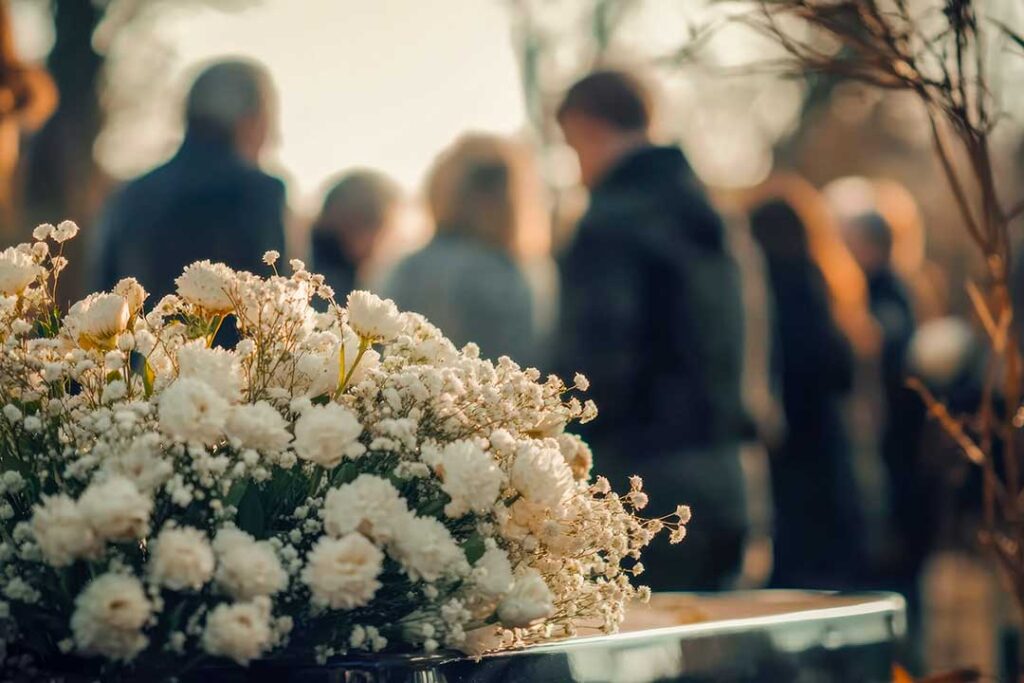
Why do mourning customs differ?
Mourning customs reflect a family’s religion, cultural heritage, community traditions, and personal beliefs. In Midland, TX, relatives, friends, coworkers, and neighbors may come from many backgrounds, so there is no single “proper” way to grieve or attend a funeral.
Some families prefer a formal service with prayers and readings. Others emphasize visitation, shared meals, storytelling, music, or quiet time at home. The timing of services, clothing, flowers, burial or cremation, and expressions of sympathy can all vary.
The safest approach is to avoid assumptions. Ask a close family member, follow the written announcement, or observe the tone established by the household.
How do religious beliefs affect funeral customs?
Religious traditions may shape nearly every part of mourning, including what happens before death, how the body is cared for, when services take place, and what follows afterward.
Examples include:
- Christian traditions: Services may include scripture readings, hymns, prayers, a sermon, a eulogy, burial, cremation, or a graveside ceremony. Practices differ widely among denominations and individual families.
- Jewish traditions: Many families place strong emphasis on prompt burial, structured mourning periods, prayer, and visits of condolence. Flowers may not be customary, while food and practical support can be meaningful.
- Muslim traditions: Families may observe specific washing, shrouding, prayer, and burial practices. Burial is often arranged promptly, and modest clothing is generally appropriate for visitors.
- Hindu traditions: Mourning may include prayers, ritual observances, cremation, family gatherings, and remembrance ceremonies held over several days or at later intervals.
- Buddhist traditions: Services may focus on chanting, meditation, teachings, and creating a calm environment. Customs differ among Buddhist communities.
- Indigenous and traditional practices: Some families incorporate community ceremonies, songs, storytelling, objects, or land-based traditions that may not be familiar to outsiders.
- Secular or nonreligious families: A gathering may center on personal memories, music, photographs, readings, or a celebration of the person’s life without formal prayer.
These descriptions are general. A person who identifies with a religious or cultural group may follow only some traditions, combine customs, or have personal preferences that differ from common expectations.
What should guests wear?
Dress expectations depend on the family, faith tradition, season, and setting. Conservative, clean clothing is usually a respectful choice when instructions are not provided.
Dark clothing is common in many communities, but it is not universally required. Some families welcome brighter colors because they reflect the personality of the person who died. A written request for casual clothing, team colors, cultural garments, or a particular color should be treated as meaningful.
For outdoor gatherings, practical considerations may matter in Midland. Warm temperatures, strong sun, wind, and blowing dust can affect comfort during a graveside service or gathering held outside. Comfortable closed-toe shoes, sun protection, and clothing suitable for the weather may be appropriate unless the family has requested a specific style of dress.
Are flowers always appropriate?
Flowers are welcome in many traditions, but not in all of them. Some families prefer charitable donations, meals, household assistance, or other forms of support. Certain religious customs may discourage flowers or place greater importance on prayer, food, or acts of service.
If the obituary or funeral notice gives instructions, follow them. If no guidance is available, a modest arrangement or handwritten note is generally less intrusive than a large or highly personalized display.
Flowers should not be treated as a measure of love or respect. A family may have limited space, cultural preferences, allergies, religious restrictions, or practical concerns about caring for arrangements after the service.
Why does the timing of a funeral matter?
The time between death and the funeral may be influenced by religious requirements, family travel, medical examinations, legal procedures, cremation arrangements, or the availability of relatives.
Some traditions call for burial within a short period. Others allow more time for family members to travel or for several gatherings to take place. Delays do not necessarily indicate a lack of respect or organization.
Families may also hold more than one event, such as a private religious ritual, a public visitation, a formal service, and a later remembrance gathering. Each event may have a different purpose and guest list.
How should people behave during a visitation or service?
A visitation is often a time for quiet conversation, condolences, and viewing photographs or personal items. A funeral or memorial service may call for more formal silence and attention.
Helpful conduct includes:
- Arriving on time and following seating instructions.
- Speaking briefly and gently with immediate family members.
- Sharing a specific, kind memory when appropriate.
- Turning off or silencing phones.
- Asking before taking photographs.
- Following directions about prayer, standing, kneeling, singing, or other participation.
- Supervising children without expecting them to understand every custom.
- Avoiding questions about the cause of death unless the family raises the subject.
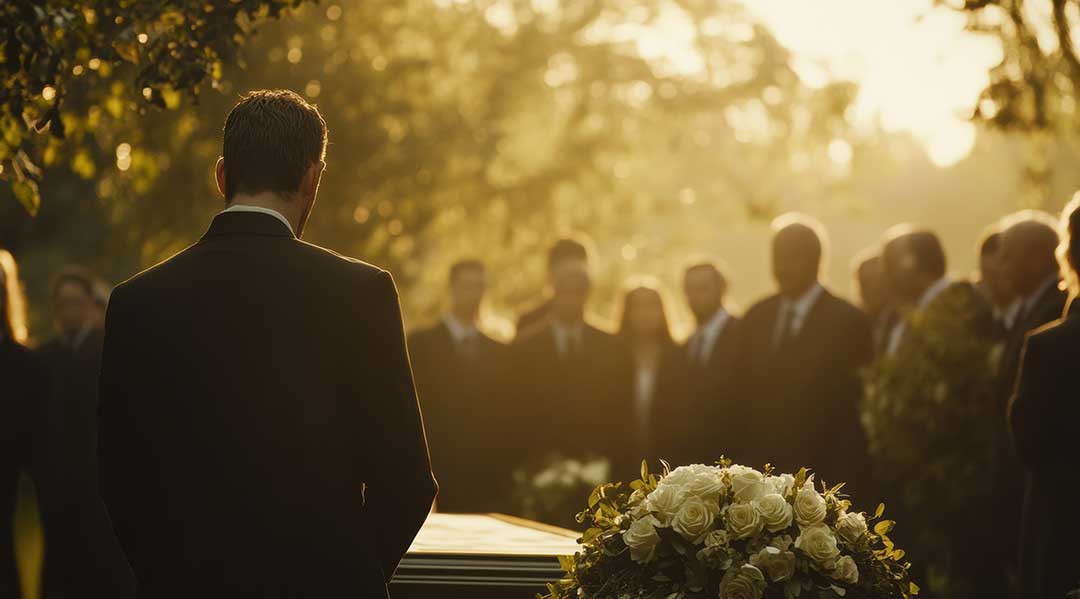
Guests do not need to participate in religious actions that conflict with their beliefs. Standing respectfully, remaining seated quietly, or following the general flow of the gathering is usually sufficient.
What customs may surprise visitors?
Some mourning practices can seem unfamiliar simply because they are not part of a visitor’s experience. A family may hold a wake that includes conversation and food rather than silence. Another may avoid public displays of emotion. Some mourners may cry openly, while others express grief through work, prayer, humor, or practical tasks.
In some traditions, the family may wear a particular color, cover mirrors, observe a period of restricted social activity, avoid certain foods, or gather on specific days after the death. A memorial may include dancing, singing, storytelling, or personal objects rather than a conventional speech.
These practices should not be judged by how closely they resemble a familiar funeral. Mourning is shaped by meaning, not by a universal script.
How can friends and neighbors offer useful support?
Practical help is often more valuable than general offers that require the grieving family to organize the assistance. Support may include bringing a meal, helping with transportation, caring for children, checking on pets, assisting with out-of-town visitors, or handling routine errands.
Food requires cultural awareness. Dietary restrictions may involve religion, health, fasting, allergies, or family customs. Asking what is suitable is more considerate than guessing.
Support should continue after the service. Grief often becomes more difficult once visitors leave and daily responsibilities resume. A brief message, a quiet visit, or a specific offer of help weeks later can be appropriate.
What if family members disagree about customs?
Disagreements may arise when relatives come from different religious backgrounds, generations, or cultural traditions. People may also differ about burial, cremation, public versus private services, clothing, music, or how much information to share.
The person’s documented wishes, legal instructions, and previously expressed beliefs should receive careful consideration. Family members may need to separate essential religious requirements from personal preferences and identify where traditions can be combined respectfully.
A funeral does not have to represent every family custom equally. It should provide a respectful setting for remembrance while avoiding unnecessary conflict, pressure, or public criticism.
The most respectful response to cultural differences is curiosity without intrusion. Listen carefully, follow the family’s guidance, and remember that grief may be expressed in ways that are quiet, communal, religious, private, or highly personal.