

 See My Latest Article on HelloNation

Funeral customs can feel unfamiliar, especially when families and communities observe different religious, cultural, or personal traditions. In Midland, TX, respectful behavior usually comes down to being considerate, following the family’s instructions, and understanding that there is no single “correct” way to grieve.
What should you wear to a funeral?
Wear clean, modest clothing in subdued colors unless the family requests something different. Traditional choices include a dark suit, dress, slacks with a collared shirt, a skirt or modest dress, or a simple blouse and trousers.
Black is not required. Navy, gray, brown, and other quiet colors are generally appropriate. Clothing should fit the setting and avoid drawing attention away from the family.
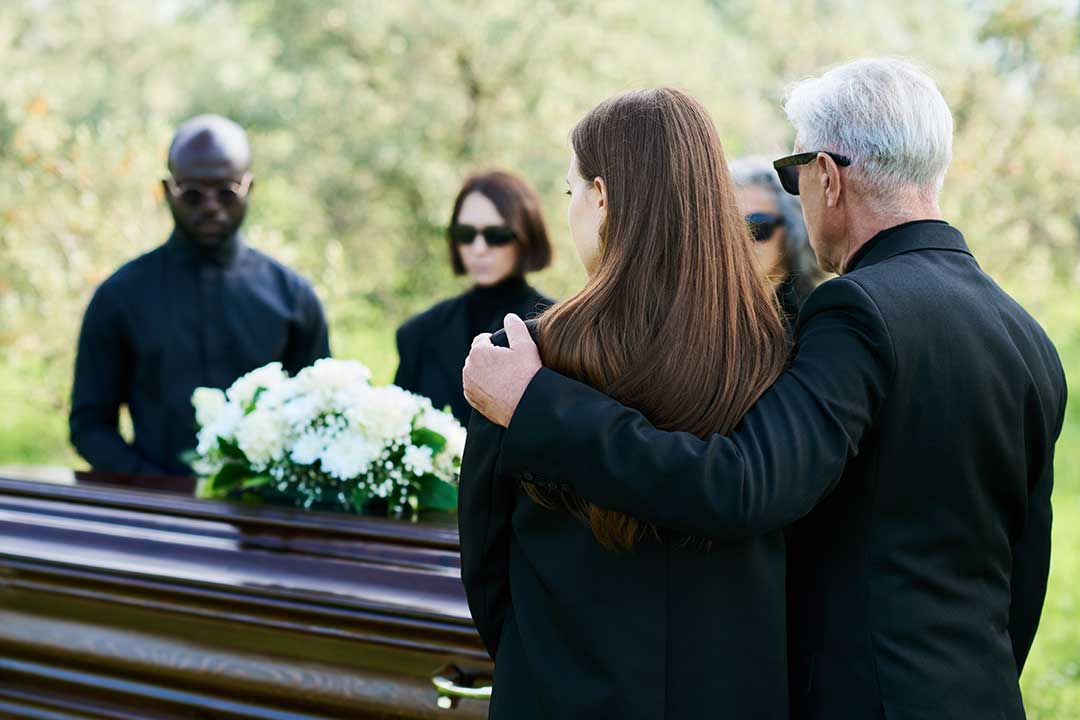
For a graveside service, consider practical conditions. Outdoor services may involve strong sun, wind, dust, uneven ground, or hot temperatures, particularly during warmer months. Comfortable closed-toe shoes, light layers, sunglasses used discreetly, and sun protection may be appropriate. Choose clothing that remains respectful while allowing you to stand or walk outdoors.
Avoid clothing with large slogans, flashy designs, athletic wear, beachwear, or anything that appears intended for a social event rather than a memorial gathering. If the family has requested bright colors, a favorite color, western attire, casual clothing, or another theme, honoring that request is usually more respectful than following a general rule.
Should you attend the visitation, funeral, or graveside service?
Attend the part of the service you can reasonably manage, but follow the family’s stated wishes. A visitation, funeral, memorial service, and graveside service each serve different purposes, and attendance at one does not automatically require attendance at all of them.
A visitation is often a time for people to offer condolences, speak briefly with relatives, and share memories. A funeral or memorial service may include prayers, readings, music, formal remarks, or religious rites. A graveside service is typically shorter and may be held outdoors.
If the notice says that services are private, do not attend unless you were specifically invited. If the wording is unclear, asking a close family member or trusted mutual acquaintance may prevent an uncomfortable misunderstanding.
Arrive early enough to park, find the appropriate room, and settle quietly. Being five to fifteen minutes early is generally considerate. If unavoidable circumstances cause a late arrival, enter quietly and sit near the back or along an aisle rather than interrupting the service.
What should you say to someone who is grieving?
Keep condolences sincere, brief, and focused on the person who died and the family’s loss. Simple statements are often best:
- “I am sorry for your loss.”
- “Your family is in my thoughts.”
- “I remember how kind he was.”
- “She made a lasting impression on many people.”
- “I am glad I had the chance to know him.”
If you knew the deceased, sharing one specific, positive memory can be comforting. Avoid turning the conversation into a detailed account of personal losses unless the grieving person invites that discussion.
Certain comments may be intended to comfort but can be painful. Avoid saying that the family should “move on,” that the death was “for the best,” or that the person is “in a better place” unless you know that language matches the family’s beliefs. Questions about medical details, finances, family disagreements, or the circumstances of the death are also inappropriate unless relatives choose to discuss them.
There is no need to make a long conversation. A quiet greeting, a handshake, a brief embrace, or simply sitting nearby can communicate support.
Is it appropriate to bring flowers, food, or a donation?
Follow the obituary or family announcement before bringing anything. Some families request flowers, while others prefer donations, charitable gifts, household support, or no gifts at all. Religious and cultural practices may also affect what is appropriate.
Flowers should be sent according to the family’s instructions and should not be treated as an obligation. If the family has asked for donations instead, respect that preference. A handwritten sympathy card can be meaningful, especially when it includes a specific memory or a practical offer of help.
Food can be useful after a death, but it is best coordinated with the household. Grieving families may receive more food than they can store, especially during gatherings that last several days. Individually packaged meals, simple groceries, or a message offering a specific kind of help may be more practical than an unexpected large dish.
Be cautious about posting photographs of flowers, cards, or private family gatherings online. These items may contain personal information, and the family may prefer privacy.
Should children attend a funeral?
Children may attend if the family permits it and the child is prepared for what will happen. There is no universal age at which attendance becomes appropriate.
Explain the service in clear, age-appropriate terms. Tell children that people may cry, that the room may be quiet, and that the body may be present if there will be an open-casket visitation. Avoid using confusing phrases such as “went to sleep” when explaining death.
Bring a quiet activity for a young child and sit where leaving will be easy if necessary. A child who becomes restless or upset may need a short break. That is not a sign of disrespect; it is a normal response to an unfamiliar setting.
Children should not be forced to view the body, speak publicly, or participate in a religious ritual they do not understand. Their involvement should be guided by the family and the child’s comfort.
What are the rules for phones and social media?
Silence phones before entering the service area. Do not take calls, send messages, or use a device during prayers, readings, eulogies, or moments of silence. If an urgent matter requires attention, step outside quietly.
Do not photograph or record the service unless the family has clearly invited people to do so. Never post a photograph of the deceased, the family, the casket, or a private gathering without permission. The same applies to announcing the death online before the closest relatives have done so.
Condolences posted publicly should be respectful and limited. Avoid sharing details that were not included in the family’s announcement.
How should you behave at a graveside service?
Remain attentive and follow the lead of the family or officiant. Stand, sit, pray, or participate only as appropriate for the service and your own beliefs. If you are unsure, quietly observe others without making the moment about uncertainty.
Outdoor conditions may be demanding. Bring water discreetly, protect yourself from sun exposure, and wear shoes suitable for grass, soil, or uneven ground. During windy or dusty conditions, secure papers and personal items. Keep conversations quiet before and after the service, and do not leave until the family has had an opportunity to depart unless conditions require otherwise.
The most meaningful etiquette is usually simple: arrive respectfully, listen, offer compassion, protect the family’s privacy, and allow people to grieve in their own way. Familiar customs can provide structure, but kindness and discretion matter more than perfect formal behavior.