

 See My Latest Article on HelloNation
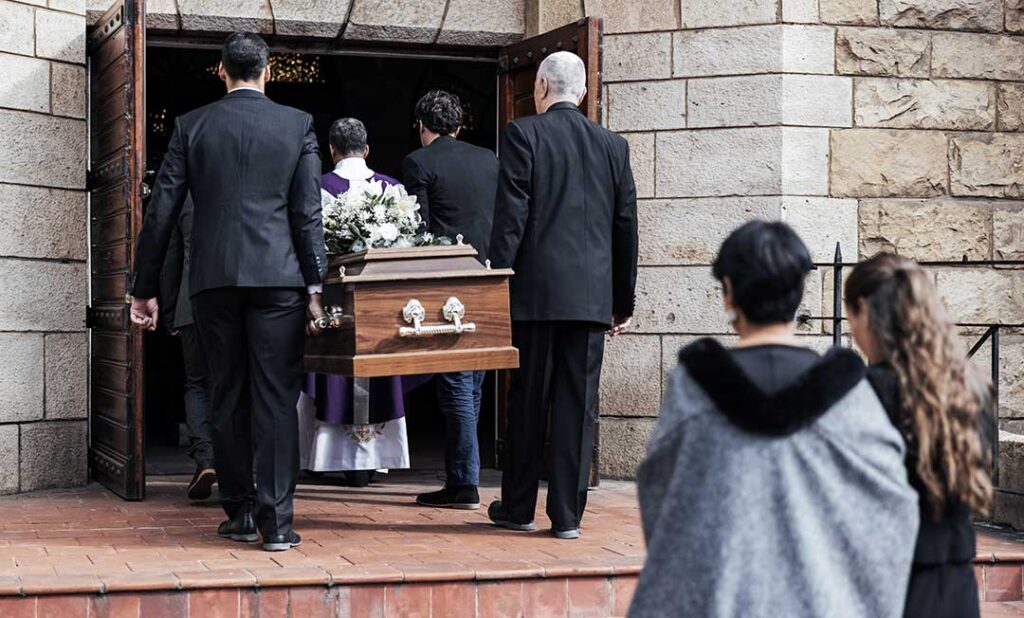
How Do Rituals Help People Cope with Grief?
Rituals provide structure and meaning during overwhelming times of loss. For many in Midland, TX, participating in familiar ceremonies—whether rooted in faith, family tradition, or personal practice—offers comfort by providing clear steps and shared moments when emotions can be expressed safely. Rituals like funerals, memorial gatherings, and candle lighting bring people together to acknowledge grief, reducing feelings of isolation.
Across different cultures and belief systems in the city, these practices often serve as a “holding space” for sorrow, love, and communal support. They remind those grieving that while loss is unique, they are not alone.
What Types of Rituals Are Common Locally?
Midland residents recognize a variety of rituals reflecting the city’s diverse backgrounds. The specifics may differ, but most share universal qualities of gathering, remembrance, and acknowledgment of a life lost.
Examples seen in local homes and gathering places include:
- Visitation hours or wakes that offer time for individual farewells and shared memories
- Religious ceremonies—prayer services, scripture readings, or singing hymns—honoring faith traditions
- Memorial displays with photos, candles, and personal items in family rooms or community venues
- Community-hosted potlucks or meals, especially after services, where stories and support are exchanged
Even small, private actions hold meaning—planting a tree in a loved one’s memory in a backyard, creating scrapbooks, or setting aside an item for remembrance.
Why Do Rituals Feel Comforting?
Rituals provide predictability and shared understanding during painful change. In Midland’s close-knit neighborhoods, knowing what to expect—standing in line at a visitation, lighting a candle, placing flowers—offers reassurance.
These acts help:
- Mark the transition from loss to remembrance in a tangible way
- Encourage emotional expression, from tears to laughter, without judgment
- Offer physical actions (like embracing, lighting, or singing) that engage the body as well as the mind
Repeated traditions passed through generations can also spark hope. They signal that, though the specifics of each loss are unique, rebuilding life after loss is possible—and has been done before.
Are There Misconceptions About the “Right Way” to Hold Rituals?
There is no single correct ritual for every individual or family in the city. Some believe that formal ceremonies are the only valid way to express grief, but meaningful rituals can range from intimate home gatherings to large public events—or even quiet moments alone.
Some families worry about “getting it right,” especially if traditions differ among relatives or generations. It’s helpful to remember:
- Comfort and healing come from authenticity, not strict adherence to custom
- Combining or adapting rituals—adding personal touches, photos, or spoken memories—is common and accepted by many in the area
- Emotionally meaningful rituals sometimes evolve over time, especially as families in the city blend backgrounds or create new traditions to reflect modern lifestyles
When Is It Useful to Make Personal Rituals?
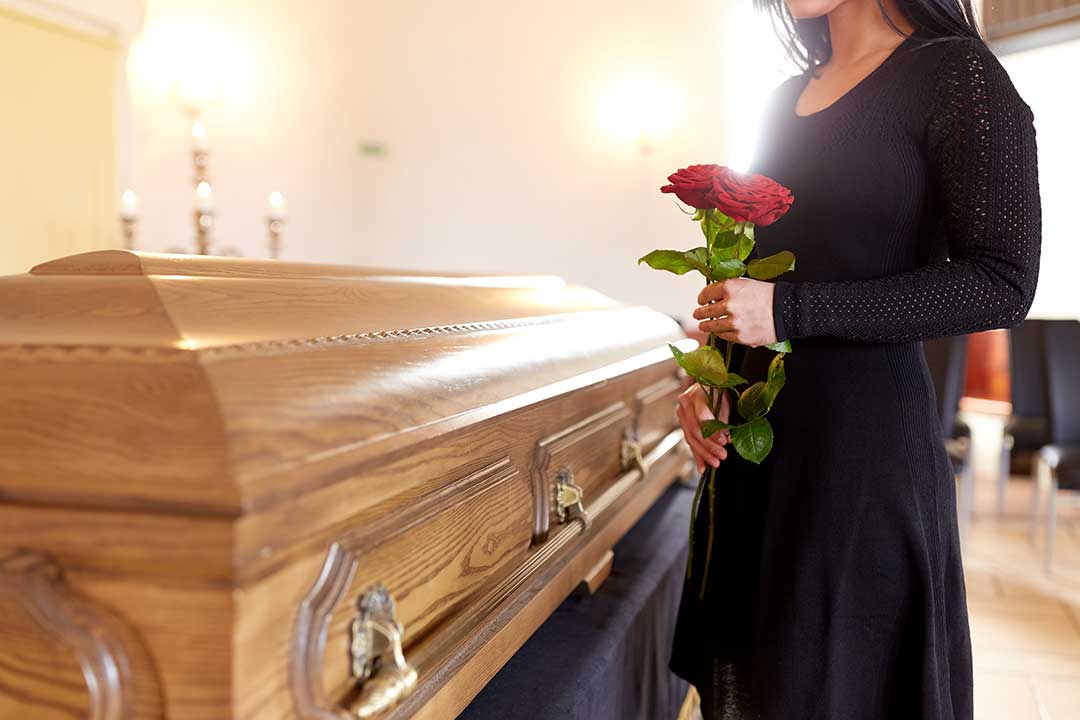
Personal rituals can be as significant as community ceremonies, especially when public gatherings are not possible (such as during extreme weather, private grief, or long travel distances common in West Texas).
Some local residents choose personal or family-based observances, such as:
- Setting a recurring day to visit a gravesite or memorial in an area cemetery
- Sharing a favorite meal or activity that honors a lost loved one’s hobbies or tastes
- Keeping a journal of memories, letters, or reflections read aloud at home
These private rituals allow individuals to grieve in their own time and revisit memories on anniversaries or meaningful dates. They also help children or those uncomfortable in crowds participate on their own terms.
How Can Rituals Support Children and Teens?
Children and teens in Midland may face unique challenges coping with loss. Age-appropriate rituals—like drawing pictures, reading together, or participating in parts of a memorial—help younger community members process grief alongside adults.
Supporting young people in rituals might mean:
- Giving them choices in how much or little they participate
- Encouraging them to share stories or ask questions
- Creating keepsakes from the event (such as memory boxes or planted flowers)
Even simple acknowledgment—like lighting a family candle and sharing favorite memories—is a positive step towards healing for all ages.
What If Rituals Do Not Bring Immediate Comfort?
It is normal for grief to linger, even after participating in meaningful rituals. Some local residents may feel guilt if they do not experience relief or closure during or after ceremonies. Healing is gradual, and rituals are just one part of a longer process.
Support may come from additional sources over time, including conversations with trusted friends, reflection, or participation in future community of faith or remembrance events. If feelings become overwhelming or persistent, reaching out to supportive groups or professionals is a healthy step—especially if intense sadness interferes with daily life or safety.