
 See My Latest Article on HelloNation

What Are Eco-Friendly Funeral Options?
Eco-friendly funerals prioritize methods that reduce environmental impact compared to traditional practices. These options aim to minimize resource use, chemical exposure, and long-term effects on local land.
In Midland, the most common eco-friendly choices include green burials, biodegradable urns, natural burial grounds, and sustainable alternatives for memorialization. The area’s climate and landscape, with its semi-arid conditions and distinct soil characteristics, may affect which options are practical and available.
Why Do Residents of Midland, TX Consider Sustainable Alternatives?
Eco-friendly funerals often appeal to those who want to lessen their ecological footprint, whether for personal, spiritual, or environmental reasons. Many local families also seek alternatives due to a desire for simplicity, lower costs, or a connection to natural cycles of life and death.
Some common reasons local residents explore sustainable funerals include:
- Wishing to avoid embalming chemicals.
- Wanting to contribute to land conservation.
- Preferring natural settings over traditional cemeteries.
- Hoping to reduce use of non-renewable materials, such as metal or concrete vaults.
What Is a Green Burial and How Does It Differ from Traditional Burial?
A green burial is designed to allow the body to decompose naturally and return to the earth using non-toxic materials. Unlike conventional options, this approach typically skips embalming, uses biodegradable caskets or shrouds, and avoids concrete vaults.
In the community, users ask about the specific steps:
- The body is often prepared without formaldehyde-based embalming.
- Burial containers are made from untreated wood, wicker, or cloth.
- Some burial areas are dedicated natural preserves, where land is left largely undisturbed after burial.
Drier climates, such as Midland’s, can influence decomposition rates and regulations, so local cemeteries may need to meet particular environmental guidelines.
Are Biodegradable Urns and Scatterings Available Locally?
Yes, biodegradable urns are an increasingly popular choice for those who select cremation but still want an environmental focus. These urns are made from materials such as recycled paper, salt, or sand—often designed to break down naturally in soil or water.
Local families sometimes choose to scatter cremated remains on private land or in designated areas, following local ordinances. While Texas has statewide regulations about scattering ashes, residents should check if special permissions are needed, especially on public or protected lands.
What Regulations Apply to Eco-Friendly Funerals in Midland?
Texas law allows for a wide range of funeral practices, but there are state and local rules to consider:
- Embalming is not required by law, except in certain circumstances (such as long-distance transport).
- Burial without a vault is permitted in some cemeteries that are registered as natural or green burial grounds.
- Cremation and burial must be conducted in compliance with state and county health regulations, which are shaped by factors like water tables, soil conditions, and public health protections.
The city’s relatively low-density layout often offers options for private land burials—for family cemeteries or rural properties—though these require compliance with zoning, setback distances, and legal filings.
What Myths or Misconceptions Exist About Sustainable Funeral Practices?
Several common misconceptions can lead to confusion:
- That embalming is always required. In reality, refrigeration is often an acceptable alternative.
- That green burial is always less expensive. While eco-focused options may skip expensive materials, land costs and transport can vary.
- That ashes from cremation are toxic. Cremated remains are generally safe to handle and scatter, but selecting biodegradable urns aligns with environmental goals.
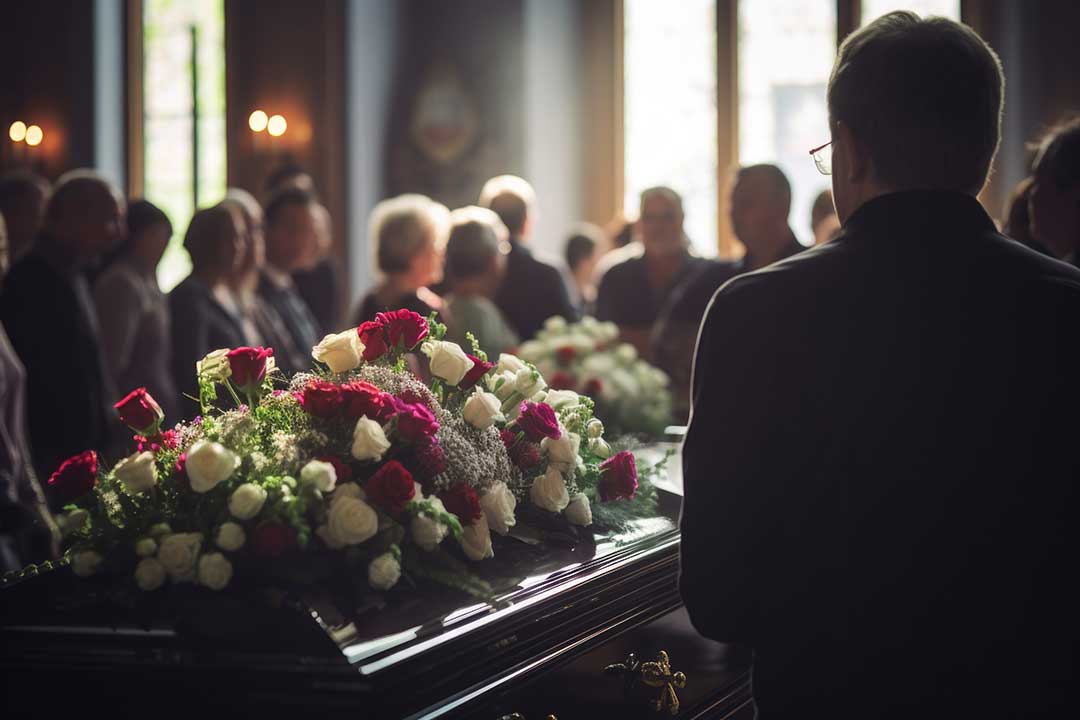
In Midland’s climate, some worry that "natural" burial might affect groundwater; however, properly managed sites are designed to protect environmental health.
Can Memorials Still Be Personalized with Eco-Friendly Choices?
Absolutely; sustainable funerals often provide just as many opportunities for personalization, though with a different focus. Instead of traditional headstones or cement markers, families might choose:
- Native plantings, like wildflowers or hardy grasses suited to the local region.
- Simple, engraved river stones or wooden markers.
- Memorial groves or trees, which support habitat restoration and beautify the landscape.
Choosing practical, climate-appropriate memorials helps ensure they thrive without intensive maintenance.
What Should Households Consider Before Choosing an Eco-Friendly Option?
Before planning, consider:
- The availability of green burial areas or natural cemeteries in reasonable proximity.
- Whether local soil and climate conditions suit the chosen method.
- Family wishes and any relevant cultural or spiritual practices.
- Compliance with Midland ordinances and state law for the chosen approach.
Consulting official resources like the Texas Funeral Service Commission and local health authorities can offer clarity for any specialized requirements.
Are There Seasonal or Climate-Based Concerns in This Region?
Midland’s dry, warm environment can influence decisions:
- Summer burials may need to happen more quickly without refrigeration.
- Some plants for remembrance or replanting are best established in fall or spring, matching native species that tolerate West Texas weather.
- In rare events of heavy rains or drought, site selection and preparation should prevent erosion or soil instability.
Planning with local climate and ecological conditions in mind ensures the lasting integrity of eco-friendly practices.